Delve Into the Domain of Fair Trade Tea: Outstanding Brews That Back Sustainable Practices
Fair Trade tea exemplifies a harmonious fusion of merit and values. Each cup offers a singular taste character while fostering ethical agricultural methods. This avenue not only betters the tea moment but also raises underserved farming communities. Acknowledging its heritage and accreditation systems brings to light additional significance of weight. As consumers become more deliberate about their options, the consequence of Fair Trade tea goes further than flavor profile. What supports the surface of these determinations?
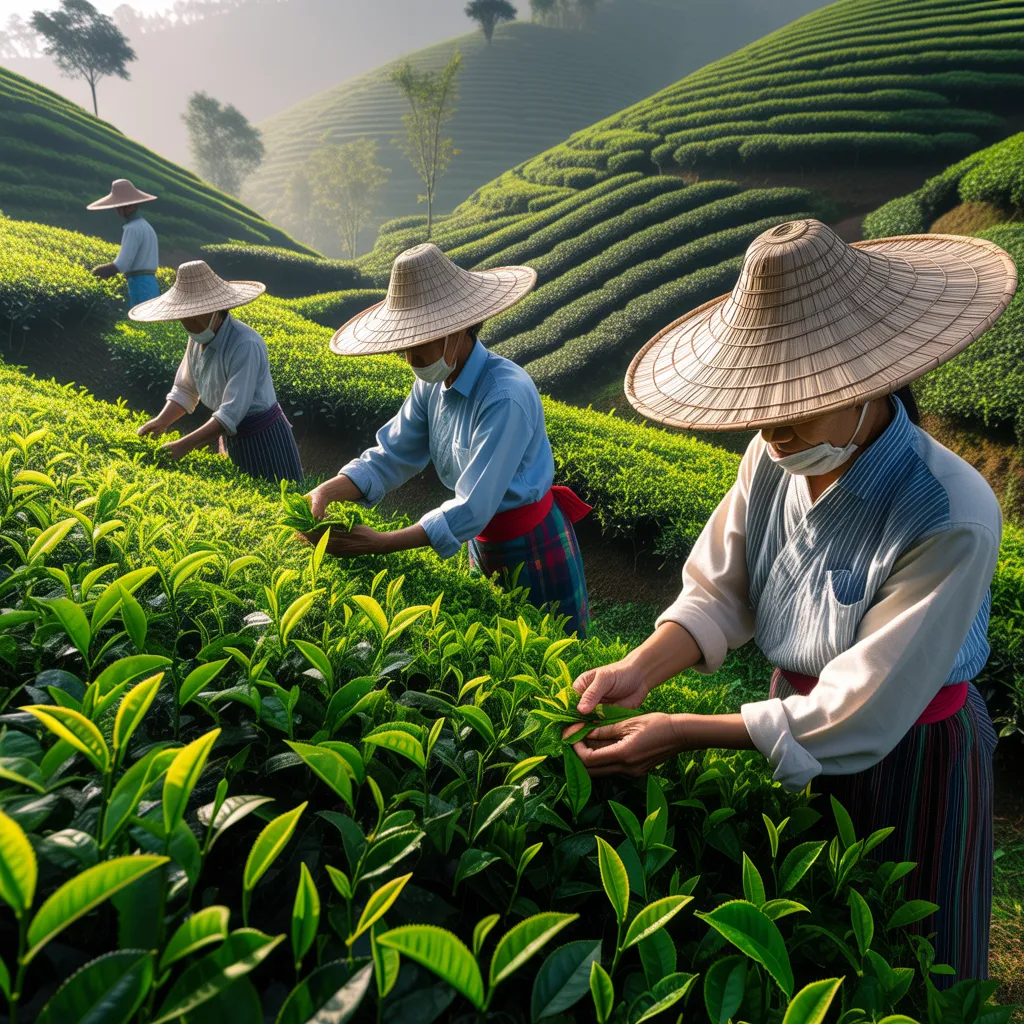
Understand the History of Fair Trade Tea
Fair Trade tea comes from the socioeconomic movements intended to better the circumstances of excluded farmers. Commencing in the late 20th century, this endeavor aimed to resolve unfairness in global trade, particularly in developing countries where tea is commonly cultivated. The effort picked up steam as buyers became increasingly aware of the difficult circumstances experienced by modest-sized growers, including exploitative prices and mistreatment by major enterprises.
Using collaborative frameworks, Fair Trade aimed to strengthen these farmers, guaranteeing they received fair payment and assistance for sustainable farming practices. The movement also focused on advancing ecological stewardship, promoting organic farming and biodiversity. As awareness grew, Fair Trade tea became a representation of responsible purchasing, connecting consumers directly with the origins of their beverages. By choosing Fair Trade tea, individuals add to a larger vision of social justice and economic equity, fostering a more sustainable future for tea-growing communities.
Comprehend Fair Trade Certification for sustainable practices
Comprehending Fair Trade certification is crucial to recognizing how sustainable practices are upheld within the tea industry. This certification guarantees that producers receive fair wages and work under safe conditions, which directly contributes to community development. Fair Trade standards promote environmentally sustainable farming methods, reducing the use of harmful chemicals and encouraging biodiversity.
Certification enhances clarity in the distribution network, permitting consumers to trace their tea back to its source. By following these standards, farms undertake methods that protect environmental assets and sustain local ecosystems. Additionally, Fair Trade groups often deliver educational resources and instruction to farmers, equipping them to enhance their production methods and economic stability.
In the final analysis, Fair Trade certification elevates the quality of tea while aligning purchasing choices with principled and eco-conscious beliefs, establishing it as an essential aspect of the tea industry's devotion to societal responsibility and ecological stewardship.
Investigate Top Selection of Fair Trade Tea
While many tea enthusiasts cherish the robust taste and aroma of various brews, delving into the top categories of Fair Trade tea uncovers a deeper devotion to ethical sourcing and sustainability. Some sought-after options present Fair Trade Assam, distinguished by its bold, malty taste, and Fair Trade Darjeeling, often called as the "Champagne of teas" for its subtle floral essence. Another distinguished variety is Fair Trade Earl Grey, seasoned with bergamot, furnishing a unique citrus twist.
Additionally, Fair Trade Green Tea, celebrated for its stimulating qualities and health benefits, is increasingly favored among health-conscious consumers. Herbal blends, such as Fair Trade Chamomile and Peppermint, also excel, offering soothing and calming effects. Each of these varieties not only offers exceptional flavor but also benefits farmers and communities working for better livelihoods, making them a responsible choice for tea lovers seeking quality and ethical assurance.
Brewing Fair Trade Tea: Guidelines for a Ideal Cup
To make the ideal cup of Fair Trade tea, careful attention is important, as the right methods can enhance the tea's distinctive tastes and smells. First, the water quality is fundamental; using purified water ensures a crisp taste that allows the tea's traits to stand out. The water temperature is also vital; various kinds of tea demand specific temperatures; boiling for black tea and cooler for green or herbal varieties.
Following this, the soaking duration needs to be accurately tracked. Oversteeping can generate bitterness, while understeeping may not obtain the complete taste spectrum. A common benchmark is 3-5 minutes for black tea and 2-3 minutes for green tea.
Finally, utilizing the correct proportion of tea to water improves the flavor; one teaspoon of loose tea per cup is a good starting point. By following these suggestions, tea enthusiasts can completely enjoy the rich offerings of Fair Trade tea.
Ecological Perks of Ethical Tea
Brewing Fair Trade tea not only improves the tea experience but also promotes eco-friendly farming methods that advantage the environment. Fair Trade certification motivates farmers to use organic farming methods, which minimize the dependence on damaging chemicals and synthetic inputs. This method fosters biodiversity, helping to preserve local habitats and protect wildlife habitats.
Furthermore, Fair Trade approaches often highlight soil health and water conservation, ensuring that tea cultivation does not drain essential resources. By assisting small-scale farmers, Fair Trade also encourages agroforestry, which combines tea cultivation with other crops and trees, further boosting environmental resilience.
Furthermore, Fair Trade tea typically involves environmentally friendly wrapping and delivery systems, lowering the carbon footprint connected to its delivery. Ultimately, choosing Fair Trade tea represents a conscious effort to advance a more sustainable agricultural system that respects both the Earth and its inhabitants.

Your Tea Preference Supports Empower Global Communities
Embracing Fair Trade tea benefits societies worldwide by supplying farmers with reasonable pay and enhanced working conditions. This obligation assures that tea producers can sustain their ways of living while investing in their families and area economies. By obtaining Fair Trade tea, customers enable the creation of vital community services, including education and medical care.
Fair Trade certification encourages responsible conduct, requiring companies to follow guidelines that emphasize employee protections and ecological responsibility. As a result, farmers are motivated to cultivate high-quality tea, which not just improves their earnings but also fosters pride in their work.
Moreover, the unmediated trade relationships set up through Fair Trade abolish oppressive middlemen, allowing farmers to partner with patrons worldwide. This visibility cultivates trust and encourages a global esteem for the cultural meaning of tea. Ultimately, each cup of Fair Trade tea represents a reminder of the positive impact individuals can have on world societies through thoughtful buying.
Commonly Asked Questions
Where Can I Locate Fair Trade Tea Items and How Do I Verify Them in Retail Locations?
To find responsibly sourced tea brands in stores, one should search for certification labels, such as Fair Trade Certified or Rainforest Alliance. Additionally, examining practical advice companies dedicated to ethical sourcing can assist in choosing wisely.
Are There Any Wellness Advantages Connected to Fair Trade Tea?
Fair trade tea may offer multiple wellness advantages, including antioxidants that promote heart health, better digestive function, and increased mental sharpness. Furthermore, ethical sourcing practices support sustainable agriculture, ultimately benefiting a healthier environment and community well-being.
Do I Locate Ethically Sourced Tea Available in Online Marketplaces?
Yes, fair trade tea is widely available in web-based stores. Several businesses offer a variety of brands and blends, verifying purchasers can easily access ethically sourced options that support both ecological balance and just compensation practices.
What Impact Does Fair Trade Tea Have on Regional Economies?
Fair trade tea beneficially affects local economies by providing farmers with fair wages, fostering community development, and promoting environmentally responsible agriculture. This assistance enhances livelihoods, promotes economic stability, and enables communities to allocate resources toward education and healthcare.
What Approaches Should I Apply to Maintain Fair Trade Tea for Optimal Freshness?
To increase freshness, fair trade tea should be kept in a airtight container, away from humidity, light, and pungent smells. Maintaining it in a dark, cool location helps preserve its taste and scent over time.